
Windshield Seal & Leak Issues: Causes, Symptoms, and Repair | Safelite
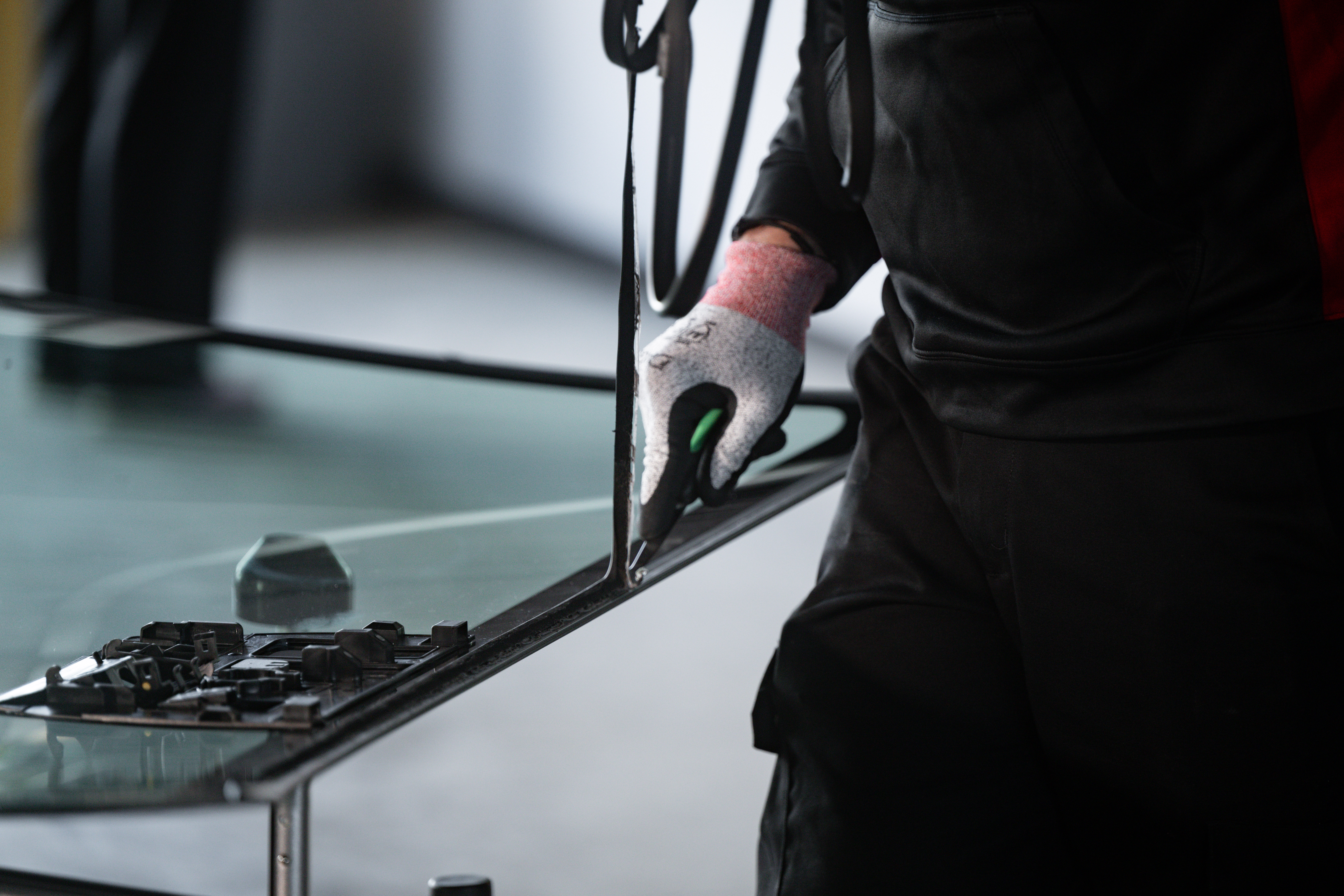



What to Do if Your Windshield is Leaking
A leaking windshield is more than an inconvenience. Water that gets into your vehicle through a failing seal can damage your dashboard, soak into your flooring, cause mold, and compromise the structural bond between the glass and your vehicle's frame. Understanding the signs of a windshield seal problem and addressing it early can prevent a minor windshield repair from turning into a much larger issue.
What Is a Windshield Seal and What Does It Do?
The windshield seal, also called the urethane bond or windshield gasket depending on the vehicle, is the adhesive layer that bonds your windshield to the pinch weld of your vehicle's frame. It serves two critical functions: keeping water out of the vehicle interior and maintaining the structural integrity of the windshield installation. A properly sealed windshield contributes to your vehicle's overall rigidity and helps ensure that the glass performs correctly in the event of a collision or airbag deployment.
Common Causes of Windshield Seal Failure
Several factors can cause a windshield seal to fail:
Age and UV exposure: Over time, urethane adhesive and rubber gaskets break down with prolonged exposure to sunlight, heat, and environmental elements. Older vehicles and those kept in hot climates are particularly susceptible.
Poor installation: A windshield that was not properly bonded during installation, whether from the factory or a previous replacement, may develop leaks sooner than expected. This includes using insufficient adhesive, failing to properly prepare the bonding surface, or not allowing adequate cure time before driving.
Previous windshield damage: A crack or chip that reaches the edge of the windshield can compromise the seal in that area, allowing water to enter even if the rest of the bond is intact.
Physical impact or stress: A significant collision, even a minor one, can shift the windshield in its frame and break the seal at one or more points around the perimeter.
Improper replacement: A windshield replacement that was not performed correctly, including the use of incorrect adhesive or failure to remove the old seal completely, can result in a leaking bond.
Signs Your Windshield Seal Is Failing
Windshield seal problems are not always immediately obvious. Here are the most common symptoms to watch for:
- Water inside the vehicle after rain: The most obvious sign. If water is pooling on your dashboard, running down the inside of the A-pillar, or appearing on the floor near the base of the windshield, the seal is likely compromised.
- Whistling or wind noise at highway speeds: A gap in the seal allows air to pass through, creating a whistling or rushing sound that is most noticeable at speed. This is often the first sign of a failing seal before visible water intrusion begins.
- Fogging that does not clear normally: Moisture entering through a failing seal can increase interior humidity and cause persistent fogging on the inside of the windshield that your defroster struggles to clear.
- Musty smell: Water that gets into the flooring or padding beneath the carpet creates ideal conditions for mold and mildew. A persistent musty smell, particularly after rain, is often traced back to a windshield seal issue.
- Visible gaps or separation around the windshield edge: On some vehicles, you can see where the seal has pulled away from the glass or the frame by looking closely at the perimeter of the windshield from outside the vehicle.
Can a Windshield Seal Be Repaired Without Replacing the Glass?
In some cases, yes. If the seal failure is limited to a small section of the perimeter and the glass itself is undamaged, a technician may be able to reseal that section without removing and reinstalling the entire windshield. This typically involves cleaning the affected area and applying new urethane adhesive to restore the bond.
However, if the seal has failed across a significant portion of the perimeter, if the windshield has shifted in its frame, or if the previous installation was improperly done, full removal and reinstallation is often the more reliable solution. A technician can assess the extent of the failure and recommend the appropriate repair.
What Happens If You Ignore a Leaking Windshield Seal?
A small water intrusion point does not stay small. Water that enters through a compromised seal can cause damage that goes well beyond the windshield itself:
- Water pooling on and behind the dashboard can damage electronics, wiring, and HVAC components
- Moisture soaking into flooring and insulation creates mold and mildew that is difficult and expensive to remediate
- A compromised seal weakens the structural bond between the windshield and the frame, reducing the glass's ability to support the roof and perform correctly in a collision
- Water that freezes inside the seal gap in cold weather can expand and further separate the bond, accelerating the damage
Addressing a seal issue early is almost always faster and less expensive than dealing with the cascade of problems that follow if it is left unresolved.
Get Your Windshield Seal Inspected by Safelite
At Safelite, our technicians can assess your windshield seal and determine whether resealing or full windshield replacement is the right solution. We offer mobile service in all 50 states and come directly to your home or office for a seamless experience.
Schedule your inspection today and stop a small leak before it becomes a larger problem.
Frequently Asked Questions
Q: How do I know if my windshield seal is leaking?
A: The most common signs are water inside the vehicle after rain, wind noise or whistling at highway speeds, persistent interior fogging, a musty smell after wet weather, or visible gaps around the edge of the windshield. If you notice any of these symptoms, have the seal inspected as soon as possible.
Q: Can a leaking windshield seal be repaired without replacing the windshield?
A: Sometimes. If the seal failure is limited to a small area and the glass is undamaged, resealing that section may be sufficient. If the seal has failed across a large portion of the perimeter or the windshield has shifted in the frame, full removal and reinstallation is typically the more reliable fix.
Q: What causes a windshield to leak after replacement?
A: A windshield that leaks after replacement is usually the result of improper installation, including insufficient adhesive, inadequate surface preparation, or not allowing full cure time before the vehicle was driven. If your windshield is leaking shortly after a replacement, contact the service provider to have it inspected and corrected.
Q: How long does windshield seal repair take?
A: A localized reseal can typically be completed in under an hour. A full windshield removal and reinstallation takes longer, and the urethane adhesive requires cure time before the vehicle should be driven, usually at least one hour and sometimes longer depending on conditions and adhesive type. Your technician will advise on the specific timeline for your repair.
Q: Can a leaking windshield seal cause mold?
A: Yes. Water that enters through a failing seal can soak into flooring, carpet padding, and insulation, creating the damp conditions that mold and mildew need to grow. A persistent musty smell after rain is a common indicator. Addressing the seal failure and drying out the affected areas promptly reduces the risk of mold taking hold.